8.58Ac Sangre DE Cristo Ranch CO
Fort Garland, CO 81133
Costilla County, Colorado
Farm Description
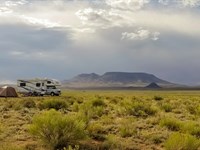
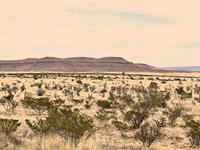
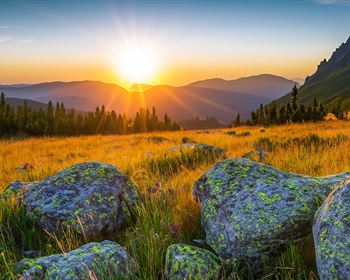
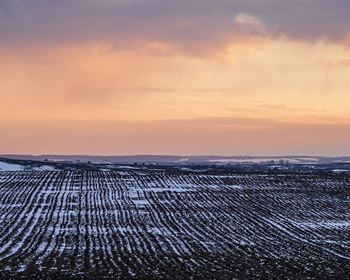
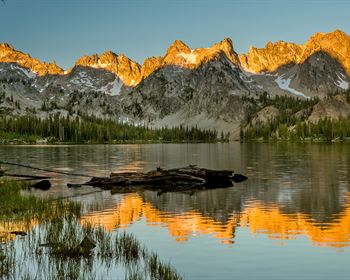
Looking for the perfect spot to indulge in your outdoor recreational activities? Look no further than this vacant lot in Costilla County. This property boasts stunning 360-Degree views of snow-capped mountains and high country plains that will leave you in awe every day.
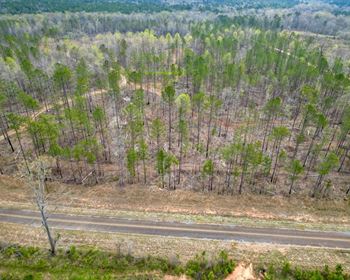
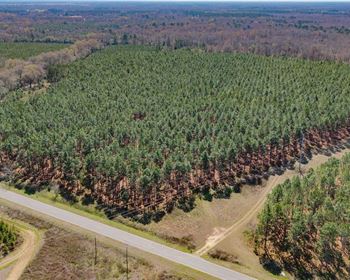
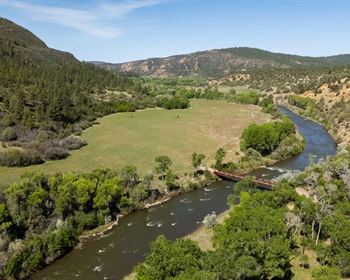
With cell service, you can stay connected with the world while enjoying the beauty of this pristine natural environment. This steep terrain property features a ravine running through it, adding to the natural charm and adventure it offers. You'll also find trees scattered throughout the property and steep slopes that add to the excitement of exploring the land.
You'll have year-round resident neighbors nearby, so you'll never feel too isolated. The property immediately adjacent does have what appears to be an abandoned trailer.
Located just an 18-minute drive from the charming town of Fort Garland, you'll have easy access to all the amenities you need. From quaint shops and restaurants to outdoor activities like hiking and fishing, Fort Garland has something for everyone.
Don't miss your chance to own this beautiful piece of land and make your outdoor recreation dreams a reality. Contact us today to schedule a visit and experience this rugged landscape for yourself.
We are open to owner financing as well - here is what that would look like:
- Total Money Down: $599 ($349 downpayment + $250 closing cost)
- Monthly: $335/Month for 87 months
See Info below.
- Subdivision: Sangre de Cristo Ranches
- State: Colorado
- County: Costilla
- Zip: 81133
- Size: 8.58 acres
- Parcel: 70244390
- Legal Description: S.D.C.R. Unit K-3 BLK 342 Lot 7537 Cont 8.587 Ac
- Approximate Lat/Long Coordinates:
37.465781, -105.307575
37.464914, -105.304367
37.463681, -105.305617
37.465261, -105.308081
- Annual Taxes: Approximately $395/Year
- Zoning: Estate Residential
--- For a site built home, you need a 600sqft minimum footprint.
--- Mobile homes are Allowed.
--- You can camp for 14 days (every 3 months)
--- Temporary RV Occupancy permit available for up to 180 days if a well has been permitted or cistern installed and a septic or onsite waste management system has been installed ($250 fee - good for 60 days at a time while building, renewable).
--- Zoning office is open Monday through Thursday and can be contacted at to answer any questions.
- HOA/Poa: No. Minor restrictions, but no HOA to enforce them
- Improvements: None
- Access: Dirt road
- Water: Would be by holding tank
- Sewer: Would be by septic
- Utilities: Would be by alternative
Information presented in this listing is deemed accurate but is not guaranteed. Buyers are advised to conduct their own due diligence and verify all details independently.
---
Location And Setting Overview
- Your 8.58-Acre Foothill Sanctuary: This is the kind of property that stops you in your tracks the first time you see it. Nearly eight and a half acres of rugged Colorado foothill terrain, sitting at 8,712 feet elevation in the Sangre de Cristo Ranches subdivision, with the kind of dramatic topography that flat valley parcels simply cannot offer. The property features steep slopes, a natural ravine cutting through the landscape, and scattered trees that give it character and dimension you will not find on a typical high desert lot. This is land that feels alive, with rolling contours and elevation changes that make every corner of the property a new discovery. You are tucked into the western foothills of the Sangre de Cristo Mountains here, close enough to feel the presence of those towering peaks but positioned to take in sweeping panoramic views across the San Luis Valley to the west.
- Mountain Views That Define the Experience: From this elevated foothill position, the views are nothing short of spectacular. The Sangre de Cristo Range rises dramatically to the east and northeast, a wall of jagged peaks that stretches more than a hundred miles along the valley's edge. Blanca Peak, Colorado's fourth-highest mountain at 14,345 feet, dominates the northern skyline just about twelve miles away as the crow flies. On clear mornings, the sunrise lights up that massive summit in shades of crimson and gold before the light spills across the valley floor below you. To the southeast, Culebra Peak at 14,047 feet stands as the southernmost fourteener in Colorado, adding another dramatic silhouette to your daily backdrop. Little Bear Peak, one of Colorado's most technically challenging fourteeners, is visible as a jagged spire along the same ridgeline. Looking west across the valley, the San Juan Mountains line the distant horizon, and on exceptionally clear days you can pick out individual peaks well over a hundred miles away. This is a 360-Degree panorama that changes with every season and every shift in the light.
- Fort Garland and Local Access: The historic community of Fort Garland sits roughly seven miles to the southwest, an easy eighteen-minute drive down county-maintained roads. Fort Garland provides the closest day-to-day conveniences, including a general store for groceries and ranch supplies, a couple of restaurants serving up classic southwestern fare like green chile smothered burritos, a gas station, and the famous Fort Garland Museum where frontiersman Kit Carson once commanded troops. From Fort Garland, you can jump onto U.S. Highway 160, which connects you westward to the town of Blanca (about twelve miles from your property) and onward to Alamosa (roughly thirty-one miles west), the commercial hub of the San Luis Valley. Heading east on 160 takes you over La Veta Pass to Interstate 25 at Walsenburg, putting the Front Range cities within reach for a day trip or weekend outing.
- The San Luis Valley Setting: Your property sits along the eastern edge of the San Luis Valley, the largest alpine valley in North America. This massive high-desert basin stretches roughly 120 miles north to south and 75 miles across, ringed on all sides by mountain ranges that create a natural amphitheater of peaks. The valley floor sits at roughly 7,500 feet elevation, but your parcel is perched higher in the foothills at 8,712 feet, giving you a vantage point that overlooks the expansive sagebrush flats and agricultural fields below. The San Luis Valley enjoys over 300 days of sunshine a year, low humidity, and that distinctive high-altitude clarity where you can see for miles in every direction. The air is clean and thin at this elevation, and on still evenings the silence is so deep you can hear a coyote howl from miles away. This is the kind of wide-open Colorado that draws people from crowded cities and suburbs who are looking for space, quiet, and genuine connection to the land.
- Sangre de Cristo Ranches Subdivision: The Sangre de Cristo Ranches is one of Costilla County's most well-known subdivisions, spread across the foothills and lower slopes on the eastern side of the valley. What sets this subdivision apart from others in the county is the greenbelt, a shared recreational area of over 5,000 acres set aside by the original developer for the common use of all property owners. That greenbelt gives you access to thousands of acres for hiking, hunting, horseback riding, and general exploration without ever leaving the subdivision boundaries. Your property in Unit K-3, Block 342 puts you in a section of the subdivision with established neighbors nearby, so you have that comfortable balance of privacy on your own acreage and the security of knowing other folks are living in the area year-round. The dirt road access means you can drive right to your property, and while a higher-clearance vehicle is recommended especially during wet weather or winter, the roads are serviceable for most vehicles during the dry months.
- Regional Connectivity: Despite the peaceful remoteness, you are far from isolated. The town of San Luis, Colorado's oldest continuously inhabited town founded in 1851, is roughly nineteen miles to the south and serves as the Costilla County seat with essential government services, a medical clinic, the historic R&R Market, and local shops. Alamosa, about thirty-one miles to the west, is where you will find big-box retail including Walmart, Home Depot, and Safeway, along with the San Luis Valley Regional Medical Center for full-service healthcare. Adams State University in Alamosa brings cultural events, college athletics, and educational opportunities to the valley. For a completely different flavor, Taos, New Mexico is about seventy-five miles to the south, offering world-class art galleries, restaurants, the historic Taos Pueblo, and Taos Ski Valley for winter sports. Great Sand Dunes National Park sits roughly twenty-two miles to the north, bringing over half a million visitors a year to explore the tallest sand dunes in North America. You are surrounded by world-class natural attractions and practical amenities, all within easy driving distance.
---
Recreational Opportunities
- Fourteener Access From Your Back Door: Living in the Sangre de Cristo Ranches puts you closer to some of Colorado's most iconic high peaks than almost any other residential area in the state. Blanca Peak at 14,345 feet is about forty-five minutes from your property by vehicle, with multiple climbing routes ranging from strenuous hiking to technical scrambling. The Blanca massif includes several other major peaks including Little Bear Peak and Ellingwood Point, making it possible to bag multiple summits in a single ambitious day. Kit Carson Peak, Challenger Point, Humboldt Peak, and the Crestone peaks are all within reasonable driving distance to the north, offering everything from moderate trail hikes to some of the most technical alpine climbing in the lower forty-eight states. The Sangre de Cristos see far fewer crowds than the Front Range fourteeners, so if you have ever wanted to stand on a 14,000-Foot summit without jostling for position with a hundred other hikers, this is your neighborhood.
- Great Sand Dunes National Park: Just about twenty-two miles north of your property, Great Sand Dunes National Park preserves the tallest sand dunes in North America, with the main dune field rising up to 750 feet above the valley floor. The park offers sandboarding and sand sledding on the dunes, hiking to the top of High Dune or Star Dune for panoramic views, and during late spring and early summer the seasonal flow of Medano Creek creates a sandy beach experience at the base of the dunes that is unlike anything else in Colorado. The park also includes backcountry camping, wildlife viewing, and some of the darkest night skies in the state. As a local property owner, this national park becomes your regular weekend playground rather than a once-a-year vacation destination.
- Fishing That Keeps You Coming Back: The fishing opportunities around Costilla County are diverse and productive. Mountain Home Reservoir, roughly twelve miles from your property, is a popular destination stocked regularly with rainbow trout and brown trout, with catches of fourteen to twenty inches not uncommon for anglers who know the water. The reservoir has boat ramps and primitive camping areas, making it easy to spend an entire weekend casting lines and cooking your catch over a campfire. Sanchez Reservoir, further to the southwest near Wild Horse Mesa, offers warm-water fishing for species like northern pike and walleye alongside its trout population. The Rio Grande River flows through the San Luis Valley about eight miles to the west, providing fly fishing opportunities for native Rio Grande cutthroat trout as well as rainbow and brown trout. Smith Reservoir is another productive option nearby. Between the reservoirs and the river, you could fish a different spot every weekend for months and never run out of new water to explore.
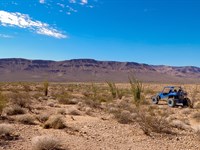
- Trails, Public Lands, and Backcountry Adventures: The Sangre de Cristo Wilderness Area lies just east of your property, encompassing over 220,000 acres of pristine alpine backcountry with more than fifty high mountain lakes, waterfalls, and over a hundred miles of maintained trails. The Rainbow Trail, a roughly hundred-mile route that traverses the western flank of the Sangre de Cristo Range, provides epic hiking and mountain biking with multiple trailheads accessible from the valley side. The Continental Divide Trail passes through the surrounding mountains on its route from Mexico to Canada, and local access points let you day-hike sections of this world-famous long-distance trail. Beyond the designated wilderness, thousands of acres of BLM and National Forest land surround the valley, opening up limitless opportunities for ATV riding, off-highway vehicle exploration, mountain biking, and dispersed camping. You can literally ride or hike from your property into the foothills and keep going for days without seeing a road.
- Winter Sports and Cold-Weather Fun: When the snow falls, the recreation shifts but never stops. Wolf Creek Ski Area, roughly eighty miles to the west and famous for receiving over 430 inches of snow annually, offers some of Colorado's deepest powder conditions with 77 trails spread across 1,600 acres of skiable terrain. Closer to home, the backcountry skiing and snowshoeing opportunities are virtually unlimited. Cross-country ski trails and snowshoe routes wind through the valley floor and into the nearby mountain parks when winter snow accumulates. Snowmobiling is hugely popular in the area, with miles of unpaved roads and open terrain transforming into riding routes that connect to national forest lands for extended backcountry tours. Ice climbing enthusiasts will find frozen waterfalls in nearby canyons, including Zapata Falls which often freezes into a dramatic column of ice during the coldest months. Even on days when you do not feel like venturing far, the snowy landscape around your property offers beautiful winter photography, wildlife tracking in fresh snow, and the simple pleasure of watching the Sangre de Cristos draped in white from your front porch.
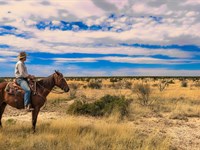
- Horseback Riding and Unique Experiences: The foothills terrain around your property is ideal for horseback riding, and local ranches and outfitters offer guided excursions through the valley and up into forested trails. Riding through sagebrush flats with the mountains towering above you is about as close to the Old West experience as you can get in the modern world. Natural hot springs scattered throughout the broader San Luis Valley region provide the perfect way to unwind after a day of adventure, soaking in mineral-rich pools under open skies. Photographers will find endless inspiration here, from golden aspen groves in autumn to the otherworldly dune formations and vibrant sunsets that paint the sky in colors you did not know existed. And when night falls, the stargazing is world-class. With minimal light pollution and high elevation, the Milky Way stretches clearly across the sky, meteor showers are spectacular, and even casual observers can pick out galaxies and nebulae with the naked eye. This property does not just give you a place to live. It gives you a lifestyle that most people only experience on vacation.
---
Wildlife And Hunting
- Game Management Unit 83 - A Hunter's Dream: Your property sits squarely within Colorado Game Management Unit 83, one of the most celebrated hunting units in the state. GMU 83 covers most of Costilla County and is home to the renowned Trinchera elk herd, one of the largest free-ranging elk herds in Colorado with an estimated population of up to 16,000 animals. That is not a typo. Sixteen thousand elk roam this unit, and during the autumn rut you can hear bull elk bugling across the hillsides from your own property at dawn and dusk. The success rate for elk hunters in GMU 83 consistently runs above the state average, thanks to healthy game populations and the mix of public land, private land, and the Sangre de Cristo Ranches greenbelt that provides ample hunting ground. Archery season in September offers the chance to call in big bulls during the peak of the rut, while muzzleloader season and multiple rifle seasons through October and November give hunters a variety of ways to pursue their quarry. Whether you are a seasoned elk hunter or looking to fill your first tag, this is one of the premier units in Colorado for the opportunity.
- The Sangre de Cristo Ranches Greenbelt Advantage: What really sets hunting in this subdivision apart is the greenbelt. When the original developer platted the Sangre de Cristo Ranches, they set aside over 5,000 acres of common land for the recreational use of all property owners in the subdivision. That means as a landowner here, you have access to thousands of acres of shared private land for hunting, hiking, and exploring. This is a significant advantage over many other areas where hunting pressure on public land can be intense and private land access requires expensive leases or knowing the right people. The greenbelt effectively gives you a private hunting preserve shared among fellow landowners, reminiscent of the communal land use traditions that date back to the original Spanish land grants in this valley. You can hunt elk, mule deer, and other game on the greenbelt with far less competition than you would face on adjacent public lands, and the terrain of the greenbelt ranges from open meadows to forested hillsides, providing diverse habitat and hunting conditions.
- Mule Deer, Pronghorn, and Other Big Game: Mule deer are abundant throughout the Sangre de Cristo Ranches area, often spotted in sizeable groups around dawn and dusk as they move between bedding areas in the trees and feeding zones in the open meadows. Bucks in this area can grow impressive antler racks, and hunters lucky enough to draw a buck tag for this unit can expect a quality hunt with genuine trophy potential. Pronghorn antelope roam the sagebrush flats on the valley floor below your property, providing a completely different style of hunt. Spotting and stalking these keen-eyed speedsters across the open terrain is one of the most exciting challenges in western hunting. Black bears inhabit the wooded areas in the foothills and mountains east of your property, and bear licenses are available in the fall for those who want to pursue them. Mountain lions also prowl the region, though they are elusive and rarely spotted. In the highest rocky crags above, Rocky Mountain bighorn sheep navigate the cliffs with the kind of agility that has to be seen to be believed.
- Wild Horses of the Region: One of the truly unique features of Costilla County is the presence of wild horses. While the most famous bands roam Wild Horse Mesa near Sanchez Reservoir to the southwest, free-ranging horses can occasionally be spotted throughout the broader valley area. These mustangs are believed to be descendants of horses brought by Spanish explorers and settlers centuries ago, making them a living connection to the Old West heritage that defines this part of Colorado. Driving the backroads of the county, you may catch sight of a small band grazing on an open hillside or galloping across a ridge, and it is the kind of moment that reminds you just how different life is out here compared to anywhere else in the country.
- Bird Life and Raptor Watching: The San Luis Valley sits beneath major migratory flyways, and the birding here is outstanding. Golden eagles are a common sight soaring on thermals above the valley, riding the wind with seven-foot wingspans as they hunt for prairie dogs and rabbits below. Bald eagles winter along the rivers and reservoirs, perching in cottonwood trees near open water where they fish for trout. Peregrine falcons nest on high cliff ledges in the Sangre de Cristos and can sometimes be observed making breathtaking high-speed dives at smaller birds. Great horned owls haunt the pinyon-juniper woodlands, their deep hooting carrying across the quiet night air. In spring and fall, massive flocks of sandhill cranes migrate through the valley, and their distinctive rattling calls echoing overhead as thousands of birds pass through is one of the great wildlife spectacles of the American West. The Monte Vista National Wildlife Refuge and Alamosa National Wildlife Refuge, both in the valley to the west, serve as major staging areas for these migrations and are well worth a visit during peak crane season.
- Small Game, Predators, and Year-Round Wildlife: Beyond the big game, your property and the surrounding area support a rich ecosystem of smaller creatures that provide year-round entertainment for hunters and wildlife watchers alike. Cottontail rabbits are abundant in the brushy areas and provide excellent small game hunting opportunities. Jackrabbits bound across the open range with their distinctive long-legged gait. Prairie dog colonies dot the valley floor, their social behavior and alarm calls providing hours of entertainment to watch. Coyotes are ever-present, and their evening chorus of howls and yips echoing across the valley at dusk is the authentic soundtrack of the rural West. Red foxes, bobcats, and occasionally even the tracks of the elusive Canada lynx can be found in the foothill forests. Wild turkeys roam the brushy creek bottoms and foothills, with spring gobbler season offering challenging and rewarding hunting. Dusky grouse inhabit the aspen and conifer forests at higher elevations, providing a great excuse to hike the mountain trails with a shotgun in autumn. Whether you are sitting on your porch with a cup of coffee watching mule deer browse through the sagebrush at first light, or glassing a distant ridgeline for elk during the September rut, the wildlife here makes every day feel like an episode of a nature documentary playing out in your own backyard.
- Hunting Tips and Local Knowledge: The best times for wildlife observation are sunrise and sunset, when animals are most active and moving between feeding and bedding areas. A good pair of binoculars or a spotting scope will dramatically enhance your experience, letting you watch animals from a distance without disturbing their natural patterns. Elk, deer, and pronghorn are creatures of habit and often follow the same routes day after day, so spending time learning the patterns on your property and the greenbelt pays dividends quickly. For hunting, make sure you have the proper licenses from Colorado Parks and Wildlife and familiarize yourself with the regulations for each species and season. Local outfitters and guides are available who know GMU 83 intimately and can significantly improve your chances of success, especially for first-time visitors to the area. Many of these guides also offer wildlife photography tours and summer scouting trips if you want to learn the land before hunting season arrives.
---
Building And Development Options
- Covenant Guidelines for Sangre de Cristo Ranches: Building on your 8.58-Acre parcel in the Sangre de Cristo Ranches is governed by the subdivision's protective covenants, which were established when the lots were originally offered for sale and still run with the land today. These covenants create a straightforward framework designed to protect property values while giving you plenty of room to build your dream home. The land is designated for residential purposes, and your primary dwelling must meet a minimum of 600 square feet of habitable floor space for a one-story home, or 800 square feet for a two-story structure. Those minimums are exclusive of basements, porches, and garages, so your actual living footprint can be quite comfortable even at the minimum threshold. Setback requirements call for buildings to be at least thirty feet from any boundary along a street and twenty-five feet from all other property boundary lines, with eaves, steps, and open porches counting as part of the building for setback purposes. These setbacks ensure you and your neighbors both enjoy privacy and breathing room on your respective parcels.
- What You Can Build: The covenants give you broad flexibility in what type of home you construct. A stick-built custom home, a log cabin, a modular home, or a new manufactured home can all work here, and the county's Estate Residential zoning supports all of these options as well. The listing notes that mobile homes are allowed, and the county permits manufactured homes built in 1976 or newer that are placed on a permanent foundation. The covenants do specify that no used or previously erected structures shall be placed on the land except during construction periods, so a brand-new manufactured or modular home set on a proper foundation is the way to go if you are considering that route. Appropriate ancillary buildings are permitted as well, including detached garages, storage sheds, barns, workshops, and greenhouses, as long as they are in keeping with the architecture of the principal building. Many landowners in the area build their accessory structures first to store tools, construction materials, and equipment while they work on plans for the main residence. Once construction begins on any structure, the covenants require completion within one year, though extensions may be granted under unusual circumstances.
- Exterior Finishing and Design Standards: The covenants require that any building constructed of wood, stucco, cement, or metal be painted or stained on the exterior, or have the color mixed into the final coat. This is a reasonable aesthetic guideline that keeps the subdivision looking well-maintained without dictating specific colors or architectural styles. You have complete freedom to choose your design aesthetic, whether that is a traditional mountain cabin with natural wood stain, a southwestern adobe-style home, a modern ranch design, or something entirely unique. There are no architectural review committees or design approval processes to navigate. As long as your structure meets the building codes and covenant basics, you are free to express your vision on your own land.
- Septic and Waste Systems: Every permanent residence in the Sangre de Cristo Ranches will need an approved septic system, and the covenants reinforce this by requiring that no sewage disposal system, cesspool, or septic tank be constructed without full approval from the proper public health agencies. The good news is that the McGinty fine sandy loam soil that characterizes much of this area provides excellent drainage and typically yields favorable percolation test results, meaning a conventional septic system should work well on your parcel. Installation costs for a standard septic system in Costilla County generally run between $3,500 and $6,500, depending on the specific site conditions and system design. You will need a percolation test performed before installation, which your septic contractor can arrange. The county health department oversees the permitting and inspection process to ensure everything meets state standards.
- Water Supply Options: The property listing notes that water would be by holding tank, which means a cistern setup is the anticipated water solution for this parcel. A cistern system is a proven and popular approach used by many Costilla County landowners. The typical setup involves a 1,500 to 2,000 gallon storage tank, either buried or housed in a protected enclosure to prevent freezing, plumbed to your home with a pressure pump so water flows from your taps just like a traditional well system. You can fill the cistern by hauling water yourself from the Alamosa Water Department, where you can fill a 500-Gallon tank for just $2.50, or by hiring a local water delivery service to bring a tanker truck directly to your property. Many long-time residents have used cistern systems for years and find the routine manageable, especially if usage is moderate or the property is not occupied full-time. If you prefer to explore well drilling as an option down the road, domestic well permits are available through the Colorado Division of Water Resources, though well depths in the foothill areas can vary significantly depending on the specific geology of your site.
- The Permitting Process and Getting Started: Costilla County's Planning and Zoning office is small, approachable, and accustomed to working with first-time owner-builders who are new to the area. The zoning office is open Monday through Thursday and can be reached at to answer any questions about permits and development. When you are ready to build, the typical process involves obtaining a zoning development permit, a building permit for your structure, a septic permit, and if applicable a well permit from the state. The county adheres to standard international residential building codes to ensure safety, but they are open to alternative building methods like adobe, straw bale, or other creative approaches as long as you can demonstrate they meet safety standards. Inspections during construction cover the major milestones including foundation, framing, electrical, plumbing, and a final walkthrough. The process is straightforward and designed to encourage responsible development without burying you in bureaucratic red tape. Many people secure a camping or temporary RV occupancy permit first so they can stay on the land while overseeing initial site work like septic installation. The RV occupancy permit is available for up to 180 days at a $250 fee, renewable in 60-day increments, as long as you have a permitted well or cistern and an approved waste management system in place.
- No HOA Means Your Land, Your Rules: There is no active homeowners association enforcing the covenants in Sangre de Cristo Ranches. The original covenants remain on record and do apply to the land, but without an HOA there are no monthly dues, no annual assessments, and no committee reviewing your building plans or telling you what color to paint your fence. This is a significant advantage for folks who value their independence and want to develop their property on their own terms and their own timeline. There is no requirement to build within any specific timeframe, so you can hold the land as an investment, use it as a recreational camping retreat, or begin building whenever you are ready. Your annual property taxes of approximately $395 per year are your only ongoing cost of ownership, and that is a remarkably low carrying cost for nearly nine acres of Colorado mountain foothills real estate.
---
Off-Grid Living Potential
- Energy Independence Through Solar Power: Living off-grid on your 8.58-Acre Sangre de Cristo Ranches property is not a compromise. It is a conscious choice that thousands of Colorado landowners have made, and the San Luis Valley is one of the best places in the country to do it. The cornerstone of off-grid power out here is solar energy, and the numbers make the case convincingly. With over 300 sunny days per year and high-altitude conditions that actually improve solar panel efficiency due to cooler operating temperatures and thinner atmosphere, a properly designed solar array on your property can power a fully modern household. Most off-grid homeowners install photovoltaic panels paired with a lithium-ion battery bank to store energy for nighttime and cloudy stretches. A well-sized system will run your refrigerator, lights, electronics, power tools, water pump, and anything else a typical household needs. The days of off-grid living meaning candlelight and ice boxes are long gone. Modern solar technology combined with this valley's extraordinary sun exposure means you flip a switch and the lights come on, just like anywhere else. The difference is that you own your power source, you are not beholden to a utility company, and your monthly electric bill is zero.
- Supplemental Power Options: While solar handles the heavy lifting for most off-grid homes in Costilla County, many homesteaders add complementary systems for redundancy and year-round reliability. A small wind turbine can generate power during nighttime hours or overcast periods when the sun is not producing, and the steady breezes at your 8,712-Foot elevation provide enough airflow to make wind a viable supplemental source. Average wind speeds of 10 to 12 miles per hour are enough to keep a small residential turbine spinning productively, especially during spring when winds tend to be strongest and solar gain is still building toward its summer peak. Many residents also keep a propane or gasoline backup generator on hand for extended cloudy periods or when running high-demand equipment like welders or heavy power tools. Propane generators are popular for their clean burn and long shelf life, and most off-grid homeowners find they rarely need to run their backup generator once their solar system is properly sized. The combination of solar as the primary source, wind as a supplement, and a generator as insurance creates a resilient power system that keeps your homestead running through every season and every weather pattern.
- Water Systems That Work: Since the property listing indicates water by holding tank, a cistern system is the planned approach, and it is a proven solution that many Costilla County residents rely on comfortably for years. The typical setup involves a 1,500 to 2,000 gallon insulated storage tank connected to your home with a pressure pump that delivers water to your faucets, shower, and appliances at normal household pressure. Filling the tank is straightforward. You can haul water yourself using a pickup truck with a portable tank from the Alamosa Water Department for just $2.50 per 500 gallons, or you can hire a local water delivery service to bring a tanker truck directly to your property on a regular schedule. Some landowners combine their cistern with rainwater harvesting, collecting roof runoff during the summer monsoon season to supplement their stored supply. Colorado law now allows homeowners to collect rainwater in up to two rain barrels with a combined capacity of about 110 gallons without a permit, and for an off-grid homestead every gallon of free water you capture is one less you need to haul. If you decide to explore well drilling down the road, domestic well permits are available through the state, and a well would provide a self-sustaining water source that eliminates the need for hauling entirely. Well depths in the foothill areas vary depending on geology, but once drilled, a well paired with a solar-powered pump gives you water independence to match your energy independence.
- Waste Management and Sanitation: A properly installed septic system handles your wastewater needs cleanly and efficiently, and the McGinty fine sandy loam soil on your property is well-suited for standard leach field drainage. Once your septic system is permitted, installed, and inspected, it requires very little maintenance beyond having the tank pumped every few years. The county health department oversees the permitting process to ensure your system meets state health codes for sizing, placement, and distance from water sources. Some off-grid homeowners also incorporate composting toilets into their design, which can reduce the load on your septic system and produce useful compost for landscaping. Costilla County has shown openness to composting toilet systems when they are part of an overall approved sanitation plan. For solid waste disposal, most rural residents haul their trash to the county transfer station periodically, and some arrange for private trash pickup service. Recycling facilities are available in Alamosa for metals, cardboard, and other recyclable materials.
- The Financial Freedom of Off-Grid Living: One of the most compelling reasons people choose the off-grid lifestyle in Costilla County is the financial equation. After your initial investment in land and infrastructure, your ongoing monthly costs drop dramatically compared to conventional living. There are no electric bills, no water bills, no sewer bills, and no trash pickup fees to pay month after month. Your annual property taxes of approximately $395 are your primary recurring cost of ownership for nearly nine acres of Colorado real estate. Compare that to what most people pay in a single month for utilities and property taxes in a suburban home, and the math speaks for itself. Many off-grid homeowners in this area report that their total monthly expenses for maintaining their homestead, including propane for cooking, internet service, and general household supplies, run a fraction of what they previously spent in urban or suburban settings. That kind of financial breathing room means you can work less, save more, retire earlier, or simply enjoy the peace of mind that comes from knowing your basic needs are met without a pile of monthly bills.
- Self-Reliance as a Way of Life: Off-grid living in Costilla County is ultimately about taking control of your own life and your own resources. You generate your own power, manage your own water, handle your own waste, and maintain your own systems. That level of self-reliance builds confidence, practical skills, and a sense of independence that is increasingly rare in a world where most people depend entirely on systems they do not understand and cannot control. You will learn to maintain solar equipment, manage water usage, troubleshoot a pressure pump, and possibly even do your own carpentry or plumbing on repair projects. Those skills have value far beyond the practical. They provide a sense of resilience and security that comes from knowing you can sustain yourself and your family regardless of what is happening in the broader economy or the world at large. Living off-grid does not mean living without modern comforts. It means being in charge of those comforts yourself, and that is a trade most people who make the leap say they would never reverse.
---
Investment And Market Analysis
- Costilla County's Rising Market: Land in Costilla County has long been recognized by savvy buyers as one of the best values in all of Colorado, and the market has been shifting in recent years from a well-kept secret to a recognized opportunity. Prices for vacant parcels remain dramatically affordable compared to virtually every other part of the state. A property like this, nearly nine acres in a named subdivision with mountain views and road access, would cost many times its current price in most Colorado mountain communities. The broader trend is unmistakable. As Colorado's Front Range cities and resort mountain towns have become prohibitively expensive for average buyers, more people are discovering the San Luis Valley as a place where they can own a meaningful piece of Colorado without taking on crushing debt. In recent years, the number of land transactions in Costilla County has increased significantly, with some periods showing dramatic jumps in sales volume. Median property values have been climbing steadily, with appreciation rates that have caught the attention of investors and lifestyle buyers alike. The market is still early enough in its growth curve that prices remain accessible, but the trajectory is clearly upward.
- The Remote Work Revolution and Demographic Shifts: The ability to work remotely has fundamentally changed who can live in places like Costilla County. A software developer, graphic designer, writer, consultant, or any number of professionals can now operate from a solar-powered homestead with Starlink internet and be just as productive as they would be in a downtown office. This has introduced a younger cohort of buyers in their twenties, thirties, and forties who previously would not have considered rural land ownership because they needed to live near their workplace. At the same time, the traditional buyer base of retirees and near-retirees looking for affordable mountain retreats remains strong. Baby Boomers seeking places to stretch their retirement dollars while enjoying clean air, mountain views, and a slower pace of life continue to drive steady demand. The combination of these two buyer pools, working-age remote professionals and lifestyle-focused retirees, has broadened the market and increased competition for desirable parcels.
- Low Holding Costs and Maximum Flexibility: One of the greatest investment advantages of Costilla County land is the remarkably low cost of holding it. With annual property taxes of approximately $395 on this 8.58-Acre parcel, you can own this land for years or even decades without significant carrying costs. There is no HOA enforcing the covenants and no associated dues or assessments to pay. There is no requirement to build within any specific timeframe, so you have complete flexibility to hold the land as a long-term investment, use it as a recreational camping retreat in the meantime, or begin development whenever the timing is right for you. That combination of low entry cost, minimal carrying costs, and no development timeline pressure makes this the kind of patient investment that serious real estate buyers appreciate. You are not bleeding money while you wait for the right moment to build or the right market conditions to sell.
- Appreciation Potential and Value Drivers: Several factors are converging to push Costilla County land values higher over time. The overall growth of Colorado's population continues to create demand pressure that radiates outward from the expensive core markets. Every new home built in the Sangre de Cristo Ranches or surrounding subdivisions elevates the appeal and perceived viability of the area for future buyers. Infrastructure improvements, even modest ones like better road maintenance, new cell towers, or expanded broadband access, incrementally increase property values along their reach. The Great Sand Dunes National Park draws over half a million visitors per year through the San Luis Valley, and every tourist who falls in love with the area is a potential future land buyer. The rise of vacation rental platforms like Airbnb and Vrbo has made it feasible to generate income from rural properties by building cabins or glamping setups for tourists, adding an income-producing dimension to what was previously just a speculative hold. The combination of rising demand, limited development of existing lots, and growing awareness of the area points toward continued appreciation from a very low baseline.
- Owner Financing and Accessible Entry: The owner financing structure available on this property, with $599 total money down and monthly payments of $335 for 87 months, makes land ownership accessible to people who might not have the cash for a lump-sum purchase. This low barrier to entry has been a key driver of the expanding buyer pool in Costilla County, bringing in first-time land buyers and younger purchasers who can fit a modest monthly payment into their budget while building equity in real property. From an investment perspective, owner financing also benefits sellers who can command slightly higher overall prices and earn interest income on the note. For you as a buyer, it means you can lock in today's price and pay over time in dollars that may be worth slightly less each year due to inflation, effectively getting a better deal the longer you hold the note.
- Generational Wealth and Legacy Building: There is something deeply satisfying about owning land that you can pass down to your children and grandchildren. Unlike stocks, bonds, or digital assets, land is tangible. Your family can camp on it, hunt on it, build memories on it, and eventually build a home on it. As Colorado continues to grow and develop, the remaining affordable rural land will become increasingly scarce and increasingly valuable. Buying now, while prices are still accessible, positions you to give future generations something they could not easily acquire on their own in a more expensive market. Many buyers in Costilla County purchase with exactly this kind of long-term thinking, securing a piece of Colorado mountain country as a family legacy that appreciates over time while providing immediate recreational value along the way.
---
- Your Colorado Mountain Life Starts Here: This 8.58-Acre parcel in the Sangre de Cristo Ranches is more than a piece of real estate. It is an invitation to a different way of living, one defined by mountain views instead of traffic jams, starlit silence instead of city noise, and the deep satisfaction of owning land that you can shape into exactly what you want it to be. The rugged terrain with its ravine and scattered trees gives this property character that flat valley lots cannot match. The proximity to Fort Garland, the greenbelt hunting access, the GMU 83 elk herd, the fourteener views, and the endless recreational opportunities in every direction make this a property that delivers value from the day you take ownership. Whether you are planning to build a full-time mountain homestead, create a weekend retreat for hunting and camping, invest in land that is appreciating in one of Colorado's last affordable mountain markets, or secure a piece of the West as a legacy for your family, this property checks the boxes. At $599 down and $335 per month with owner financing, or at a cash discount for immediate purchase, the barrier to entry is remarkably low for what you are getting. Nearly nine acres of Colorado mountain foothills, no HOA, minimal annual taxes, and the freedom to build your vision on your own timeline. That is the kind of opportunity that does not come along every day.
The details provided in this property listing are believed to be reliable but are not warranted. Prospective buyers should perform their own research and verification of all information before making purchase decisions.
Farm Maps & Attachments
Directions to Farm
From downtown Fort Garland, head south on Pfeiffer Ave (0.1 miles).
Turn left onto US-160 E / 4th Ave and continue east for 2.0 miles.
Turn onto Beekman Rd and follow to Alexandre Rd (6.8 miles).