Treed Acres in Colorado
Fort Garland, CO 81133
Costilla County, Colorado
Farm Description
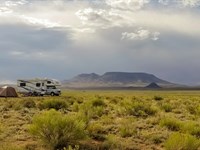
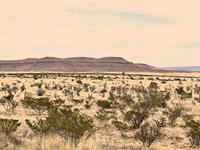
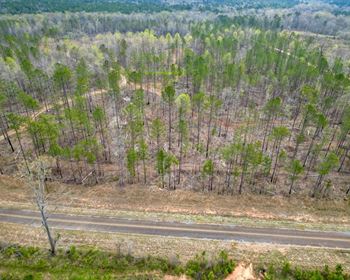
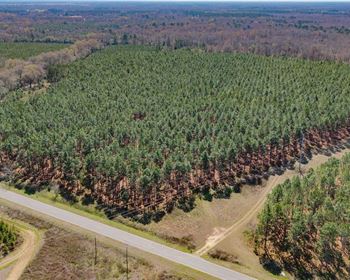
Five acres of Colorado mountain land in the Sangre de Cristo Ranches doesn't come available every day - and when it does, it doesn't last long. This property sits in Costilla County at over 7,000 feet elevation, where the air is clean, the nights are quiet, and the views stretch for miles. Tree coverage on the property gives you natural shade and privacy, while the wide-open Colorado sky makes it perfect for stargazing, solar power, or just unplugging from the noise of everyday life.
The Sangre de Cristo mountain range rises dramatically to the east, and Great Sand Dunes National Park is just a short drive away - one of the most unique natural wonders in the country. The surrounding area is prime habitat for deer, elk, pronghorn, and a wide variety of birds, so if you love the outdoors, you'll feel right at home here. Whether you're hiking, hunting, or just sitting outside with a cup of coffee watching wildlife move through, this part of Colorado delivers.
This land is ready for whatever you have in mind - bring your off-grid cabin plans, your camper, or just your lawn chair and start enjoying it now. Nearby property owners are already running solar setups successfully, so going off-grid here is a proven and practical option. With dirt road access, tree coverage for natural shelter, and five acres to spread out on, this is the kind of land that gives you real freedom.
We are open to owner financing as well - here is what that would look like:
- Total Money Down: $599($349 downpayment + $250 closing cost)
- Monthly: $275/Month for 96 months
See Info below.
- Subdivision: Sangre de Cristo Ranches
- State: Colorado
- County: Costilla
- Zip: 81133
- Size: 5.041 Acres
- Parcel: 70235720
- Legal Description: S.D.C.R. Unit J BLK 113 Lot 1700 Cont. 5.041 Ac
- Approximate Lat/Long Coordinates:
37.3674, -105.3437 Nw
37.3669, -105.3421 Ne
37.3657, -105.3422 Se
37.3657, -105.3433 Sw
- Annual Taxes: Approximately 125/Year
- Zoning: Estate Residential (Er)
--For a site-built home, you need a 600sqft minimum footprint.
--Mobile homes are allowed.
--You can camp for 14 days (every 3 months).
--Temporary RV Occupancy permit available ($250 fee - good for 90 days at a time while building, renewable).
--The zoning office is open Monday through Thursday and can be contacted at to answer any questions.
- HOA/Poa: Optional - $25/Year. Very minor covenants - these can be viewed here:
- Improvements: None
- Access: Dirt Road
- Water: Would be by well or holding tank
- Sewer: Would be by Septic
- Utilities: Alternative Energy (Solar, wind, or generator), Phone would be cellular or Satellite. Tv/Internet would be Satellite
Note: Information presented on this page is deemed accurate, but is not guaranteed. Buyer is advised to do their own due diligence.
Information presented in this listing is deemed accurate but is not guaranteed. Buyers are advised to conduct their own due diligence and verify all details independently.
---
Location And Setting Overview
- Heart of Colorado's Eastern Foothills: This 5.041-Acre property sits in Unit J of the Sangre de Cristo Ranches, one of the most sought-after rural subdivisions in Costilla County, Colorado. Perched at over 7,000 feet elevation along the western slopes of the Sangre de Cristo Mountains, this lot occupies a sweet spot where the high desert valley floor meets the timbered foothills. The property features natural tree coverage - pinon pine and juniper that have been growing here for decades - giving you built-in shade, privacy, and wind protection that many valley floor parcels simply don't have. You're not staring at flat, empty dirt here. You're looking at a wooded five-acre parcel with character and natural beauty that's ready for your vision.
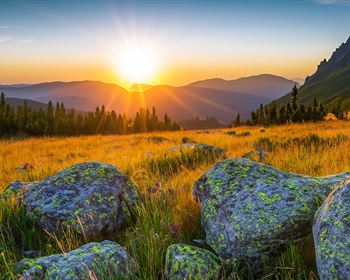
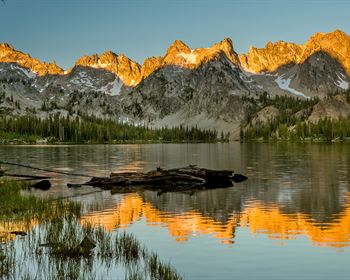
- Sangre de Cristo Mountain Views: The Sangre de Cristo Mountains - which translates to "Blood of Christ" from the Spanish explorers who named them - form one of the most dramatic mountain walls in all of Colorado. From this property, you're sitting right at the base of that wall, with peaks rising thousands of feet above you to the east. Blanca Peak (14,345 feet), Colorado's fourth-highest summit, dominates the northern skyline. To the southeast, Culebra Peak (14,047 feet) - the southernmost fourteener in the state - adds to an already jaw-dropping panorama. Looking west across the San Luis Valley, your views open up across one of the largest alpine valleys in the world, stretching more than 50 miles to the San Juan Mountains on the far side. Morning sunrises light up the peaks behind you in shades of crimson and gold, while sunsets paint the western sky in colors you won't believe until you see them yourself.
- Fort Garland and Local Access: The small community of Fort Garland (6 miles north) serves as the closest supply point, sitting right at the junction of U.S. Highway 160 and Colorado Highway 159. You'll find fuel, a general store, a couple of restaurants serving solid southwestern fare, and the historic Fort Garland Museum all within a quick drive. It's the kind of place where the cashier knows your name after your third visit. Fort Garland also puts you right on Highway 160, which runs east-west across the valley and connects you to the broader highway network. Head east over La Veta Pass and you'll reach Interstate 25 at Walsenburg (about 70 miles), giving you a straight shot to Pueblo, Colorado Springs, or Denver. Head west on 160 and you'll reach Alamosa (30 miles) in about 40 minutes.
- Alamosa - Your Regional Hub: Alamosa (35 miles northwest) is the commercial center of the San Luis Valley, with a population of around 10,000 and all the services you'd expect from a regional hub. Walmart Supercenter, Safeway, Home Depot, Ace Hardware - everything you need for daily living or a building project. The San Luis Valley Regional Medical Center provides full emergency room and hospital services, which gives real peace of mind when you're living rurally. Adams State University adds a college-town energy to the downtown area, with restaurants, coffee shops, a movie theater, and seasonal events like the Summer Fest on the Rio. You won't need to drive to a big city for anything routine.
- San Luis and Historic Colorado: Heading south on Highway 159, the town of San Luis (14 miles south) is Colorado's oldest continuously inhabited town, founded in 1851. It's a small community of about 600 people with a grocery store, gas station, post office, and a few local eateries. The county seat is here, so this is where you'll handle any permit paperwork. San Luis carries a rich Hispanic heritage that goes back centuries, and you can feel it in the architecture, the food, and the way people greet each other on the street. The Sangre de Cristo Heritage Center and the famous Stations of the Cross shrine on the mesa above town are worth visiting whether you're spiritual or just appreciate art and history.
- Taos and Beyond: One of the perks of owning property in this part of Colorado is the easy access to Taos, New Mexico, roughly an hour south across the state line. Taos is a world-class destination for art, culture, dining, and winter skiing at Taos Ski Valley. Many Sangre de Cristo Ranches owners make regular trips down for gallery browsing, restaurant meals, or a day on the slopes. Great Sand Dunes National Park (about 30 miles north) is another headline attraction - the tallest sand dunes in North America, rising 750 feet above the valley floor, with seasonal Medano Creek flowing at their base. Between the mountains, the valley, and the neighboring towns, this location puts you in the center of an incredible amount of natural beauty and cultural richness without the crowds or the price tag of Colorado's more well-known resort areas.
---
Recreational Opportunities
- World-Class Hiking at Your Doorstep: Living in the Sangre de Cristo Ranches means you're positioned right at the edge of some of the best hiking terrain in Colorado. The Sangre de Cristo Wilderness Area - over 220,000 acres of protected backcountry - is accessible from trailheads just a short drive from your property. This is real wilderness, with alpine lakes, dense forests, wildflower meadows, and mountain passes that'll test your legs and reward you with views that make every step worth it. The Rainbow Trail, a roughly 100-Mile route that traverses the length of the Sangre de Cristo Range, offers everything from easy day hikes to multi-day backpacking adventures. And if you're the type who likes to bag peaks, you've got multiple fourteeners within striking distance - Blanca Peak, Kit Carson Peak, Challenger Point, Humboldt Peak, Crestone Peak, and Little Bear Peak are all accessible from this side of the valley.
- Great Sand Dunes National Park: About 30 miles north of the property, Great Sand Dunes National Park is one of those places that feels like it shouldn't exist in Colorado. Towering dunes - the tallest in North America at 750 feet - rise out of the valley floor against a backdrop of snow-capped peaks. You can hike the dunes, sandboard down them, or just sit and watch the light change across the sand throughout the day. In late spring and early summer, Medano Creek flows along the base of the dunes, creating a shallow, sandy stream that kids and adults alike love wading through. It's one of those rare national parks where you can have a genuinely unique experience without fighting crowds, especially if you go on weekdays or during the shoulder seasons.
- Fishing That'll Keep You Coming Back: Costilla County has some seriously underrated fishing. Mountain Home Reservoir (about 25 miles northwest) is stocked with rainbow trout and brown trout, and anglers regularly pull fish in the 14- to 20-inch range. It's got boat ramps and primitive camping, so you can make a weekend of it. Sanchez Reservoir (about 30 miles west) adds warm-water species like northern pike and walleye to the mix, giving you variety depending on what you're in the mood to chase. The Rio Grande itself (about 15 miles west) offers fly fishing opportunities for native Rio Grande cutthroat trout, rainbow trout, and brown trout. Several smaller creeks in the area, including Costilla Creek, hold native cutthroat populations and provide excellent catch-and-release fishing in beautiful, uncrowded settings. If you're an angler, you could fish a different spot every weekend for months and never run out of new water to explore.
- Winter Sports and Snow Country: When winter rolls in, the recreation doesn't stop - it just changes character. Wolf Creek Ski Area (about 2 hours southwest) is famous for receiving over 430 inches of snow per year, making it one of the snowiest ski areas in Colorado. The powder there is the real deal, and the lack of big-resort crowds means more runs for you. Closer to home, the valley and surrounding foothills offer excellent cross-country skiing and snowshoeing once the snow accumulates. Quiet winter mornings on snowshoes through the pinon-juniper woods near your property are the kind of experience that stays with you. Snowmobilers will find miles of open terrain and backcountry routes across public lands, and for the truly adventurous, frozen waterfalls in nearby canyons - including Zapata Falls - offer ice climbing opportunities that draw climbers from across the state.
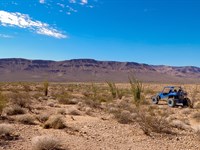
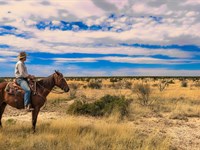
- Horseback Riding and OHV Trails: The open rangeland and forest roads in and around the Sangre de Cristo Ranches are perfect for horseback riding, and local outfitters can set you up with guided rides through the foothills and along mountain trails. If ATVs or side-by-sides are more your speed, the network of off-highway vehicle trails across BLM and National Forest land in the area is extensive. You can spend a full day exploring backcountry roads that lead to remote overlooks, old mining sites, and hidden meadows without seeing another soul. The combination of public land access and wide-open private land means you'll never run out of new ground to cover on horseback or on wheels.
- Stargazing, Hot Springs, and Unique Experiences: With minimal light pollution and over 300 clear nights per year, this property sits under some of the darkest skies in the continental United States - rated Bortle Scale 2-3, which means the Milky Way isn't just visible, it's stunning. Meteor showers are spectacular here, and amateur astronomers travel from across the country to set up telescopes in the San Luis Valley. After a long day outside, several natural hot springs in the broader valley region offer a perfect way to soak tired muscles under the stars. Zapata Falls, a short hike to a 25-foot waterfall hidden in a rocky grotto, is another local gem that's beautiful in every season - including winter, when it freezes into an incredible ice formation. Between the dark skies, the hot springs, the mountain peaks, and the dunes, this area delivers experiences you simply cannot find in most parts of the country.
---
Wildlife And Hunting
- Elk Country - The Trinchera Herd: If you've been looking for property in genuine elk country, this is it. Costilla County is home to the renowned Trinchera elk herd, one of the largest in the state of Colorado, with an estimated population of up to 16,000 animals. These elk range across Game Management Unit 83, which covers the vast majority of Costilla County including the Sangre de Cristo Ranches. During the fall rut in September and early October, the sound of bull elk bugling echoes across the foothills and valley - it's one of the most iconic sounds in the American West, and you can hear it right from your property. Large herds are regularly spotted grazing on hillsides, crossing meadows, and moving through the pinon-juniper woodlands that characterize this part of the county. Morning and evening are prime viewing times, and with five acres of treed land, you've got a front-row seat.
- Mule Deer, Pronghorn, and More: Mule deer are abundant throughout the Sangre de Cristo Ranches area. You'll see them at dawn and dusk browsing through the sagebrush and along the edges of tree lines - often in sizeable groups. Bucks in this region can carry impressive antler racks, and the mule deer hunting here draws serious sportsmen from around the country. Out on the open valley floor to the west, pronghorn antelope roam the grasslands and sagebrush flats. These are the fastest land animals in North America, and watching a band of pronghorn sprint across the open range at speeds over 55 miles per hour is a sight you don't forget. Black bears inhabit the wooded and mountainous areas east of the subdivision, and while they're generally shy, they do occasionally wander through lower elevations during berry season. Mountain lions are present as well, though they're elusive and rarely seen - their tracks show up more often than the cats themselves.
- The Sangre de Cristo Ranches Greenbelt: One of the truly unique features of this subdivision is the developer-established greenbelt - over 5,000 acres of common recreational land set aside for property owners. This greenbelt gives Sangre de Cristo Ranches landowners access to a vast area for hunting, hiking, and exploring that you won't find in most subdivisions anywhere in Colorado. It's reminiscent of the old communal land use traditions from the area's original Spanish land grants, and it provides space and access beyond what even the adjacent public lands offer. For hunters, this means additional private land access shared among the ownership community - a genuine advantage that significantly enhances the value and recreational potential of every lot in the subdivision.
- Hunting in GMU 83 - A Premier Destination: Game Management Unit 83 is known across Colorado as a premier hunting destination. Elk hunting here draws sportsmen from around the country, with archery season in September offering the chance to call in trophy bulls during the rut. Muzzleloader season and multiple rifle seasons through October and November give hunters several options for pursuing elk and mule deer. Success rates in this unit are consistently above the state average thanks to healthy game populations and well-managed habitat. Trophy-sized bull elk with impressive six-point racks are harvested in this area every season. Mule deer buck tags for San Luis Valley units are carefully managed, and hunters who draw them can expect quality hunts with the chance at a large, mature buck. Pronghorn season offers a completely different kind of challenge - spotting and stalking these sharp-eyed speedsters across the open flats is as exciting as it gets.
- Birds, Raptors, and Small Game: The San Luis Valley sits beneath major migratory flyways, making Costilla County outstanding territory for bird enthusiasts. In spring and fall, tens of thousands of sandhill cranes migrate through the valley, stopping in wetlands just north of the county. Their distinctive rattling calls can often be heard overhead even from the Sangre de Cristo Ranches. Golden eagles are a common sight, soaring on thermals above the valley, and bald eagles winter along rivers and reservoirs where open water provides fishing opportunities. Peregrine falcons nest on high cliff ledges in the Sangre de Cristos and can sometimes be observed making their dramatic high-speed hunting dives. Wild turkeys roam the brushy foothills, blue grouse inhabit the aspen and conifer forests at higher elevations, and great horned owls announce themselves on calm evenings with their deep, resonant hooting. For small game hunters, cottontail rabbits are abundant in the brushy areas, and coyotes provide year-round calling opportunities with no bag limits.
- Wildlife Viewing Year-Round: You don't need a hunting license to enjoy the wildlife here. Costilla County offers some of the best wildlife viewing in southern Colorado, and it's a year-round activity you can enjoy right from your own property. The best times to observe most animals are around sunrise and sunset when they're most active. A good pair of binoculars or a spotting scope will let you watch elk, deer, and pronghorn from a distance without disturbing them. Patience and a quiet vantage point are all you need - find a spot overlooking a meadow or ridgeline, sit still, and let the natural drama unfold around you. Local outfitters offer wildlife photography tours and summer scouting trips for those who want a guided experience, and many hunting guides double as wildlife experts who can help you spot specific species and understand animal behavior in this unique landscape.
Historical Significance
- Where Colorado Began: Costilla County proudly carries the title "Where Colorado Began," and that's not marketing - it's historical fact. This was the first area in present-day Colorado to be permanently settled by European colonists, and the history here stretches back centuries before that. Spanish explorer Coronado led an expedition through the Southwest in 1540 searching for the legendary Seven Cities of Gold, and Spanish influence took root in this region long before American settlement pushed westward. The Sangre de Cristo Ranches sit in the middle of this living history, surrounded by landmarks and communities that tell the story of how the American West was actually built - not by Hollywood cowboys, but by tough families who carved a life out of this high desert valley through sheer determination and hard work.
- San Luis - Colorado's Oldest Town: Just 14 miles south of your property, San Luis holds the distinction of being Colorado's oldest continuously inhabited town. Founded in 1851 by Hispanic settlers from Taos, New Mexico, the town was established under the auspices of the Sangre de Cristo Land Grant - a Mexican land grant that predates Colorado statehood by more than two decades. The town was laid out in classic Spanish colonial style with a central plaza and radiating streets, and many of those original design elements are still visible today. Adobe buildings with thick earthen walls line the streets, and the Sangre de Cristo Catholic Church, built in 1886, remains the spiritual heart of the community. The R&R Market, open since 1857, is the oldest continuously operating business in Colorado - run by the same family for multiple generations. Walking through San Luis feels like stepping into a different era, and yet it's a living, working community where people still gather at the market for groceries and conversation just like they have for over 160 years.
- The Stations of the Cross and Cultural Heritage: Overlooking San Luis from a mesa top is one of the most remarkable outdoor art installations in the American West. The Shrine of the Stations of the Cross features a winding path up the mesa lined with life-size bronze sculptures depicting the final hours of Christ, created by local sculptor Huberto Maestas. Thousands of visitors and pilgrims climb this trail every year, especially during Holy Week. In an annual tradition stretching back decades, devout pilgrims walk roughly 100 miles from Pueblo to San Luis in the days leading up to Easter to approach the shrine on Good Friday - a powerful testament to the enduring faith that defines this region. At the top stands the Chapel of All Saints, where visitors can reflect and take in panoramic views of the entire valley. The Hispanic cultural heritage throughout Costilla County remains vibrant and authentic - traditional foods like red chile and posole, community fiestas with mariachi music, and folklórico dancing are all part of the living fabric here.
- Fort Garland - Kit Carson's Last Command: Just 6 miles north of your property, Fort Garland was established in 1858 as a crucial U.S. Army outpost on the frontier. Its mission was to protect settlers in the San Luis Valley and maintain peace with the Ute tribes who ranged through the surrounding mountains. The fort's most famous commander was Kit Carson, the legendary frontiersman and scout who served as commandant from 1866 to 1867. Carson negotiated with the Ute tribes and worked to ensure stable coexistence in the valley during a volatile period in western history. Today, Fort Garland is preserved as a museum open to the public. You can tour original adobe barracks and officers' quarters, view artifacts from the 19th century, and learn about the diverse groups who shaped this region. A notable chapter honored at the museum is the tenure of the Buffalo Soldiers - African American cavalry troops of the 9th Cavalry stationed at Fort Garland in the 1870S. Their bravery and service on the western frontier is documented through uniforms, weapons, and personal accounts that bring this multicultural history to life. Every Memorial Day weekend, the museum hosts a living history event with re-enactors demonstrating military drills, frontier crafts, and traditional customs.
- Native American Heritage and Sacred Ground: Long before Spanish or Anglo settlers arrived, the San Luis Valley was home to the Ute people, who roamed these mountains and valleys for centuries. Archaeological evidence - including ancient petroglyphs, arrowheads, and primitive tools - indicates human habitation in this valley stretching back over 10,000 years. Blanca Peak, the dominant landmark visible from your property, holds deep spiritual significance as Sisnaajini to the Navajo Nation - one of the four sacred mountains marking the boundaries of their traditional lands. The Ute also hold certain springs and high places in the Sangre de Cristos as sacred. Modern efforts to honor this Native heritage include museum exhibits, cultural center programs, and the preservation of original place names throughout the county. The land you're looking at carries layers of human history that few places in America can match.
- Mining, Railroads, and the Los Caminos Antiguos Byway: In the late 1800S, prospectors searching for gold and silver staked claims in the Sangre de Cristo and Culebra Mountains. While Costilla County didn't see a Cripple Creek-scale boom, small mining camps did spring up around promising strikes, and remnants of that era - old mine shafts, rusting ore carts, and tumbledown cabins - can still be found hidden in the hills above the valley. The coming of the Denver and Rio Grande Railroad in the late 1870S was a turning point, connecting Fort Garland and the valley to Pueblo and the eastern markets. The Los Caminos Antiguos Scenic Byway, which winds through the county today, follows the path of early Spanish trails that connected settlements in New Mexico with those in Colorado. Driving it puts you in touch with centuries of travel, trade, and cultural exchange - with interpretive signs along the way that recount the stories of Spanish traders, missionaries, and pioneers who walked these same routes on foot and horseback.
---
Building And Development Options
- Covenant-Governed Development: The Sangre de Cristo Ranches operates under protective covenants established by the original developer, Forbes Trinchera Ranch. These covenants run with the land and apply to all current and future owners. The good news is they're straightforward and designed to protect property values while keeping the area's rural character intact. The land is designated for residential purposes only - one family per residential building. Setbacks require structures to be at least 30 feet from any boundary along a street and 25 feet from all other boundary lines, with eaves, steps, and open porches counted as part of the building footprint. These setbacks ensure privacy between neighbors and keep sight lines open across the landscape. No lot may be re-subdivided into smaller tracts, which protects you from having your neighbor carve up their parcel into tiny lots and change the character of the area.
- Minimum Home Size and Structure Requirements: For a single-story home, the covenants require a minimum of 600 square feet of habitable floor space, exclusive of basements, porches, and garages. If you're building a two-story dwelling, the minimum increases to 800 square feet of habitable floor space. These are reasonable thresholds that ensure quality construction while still allowing for modest cabin-style builds. Appropriate ancillary buildings - garages, workshops, barns, greenhouses, storage sheds - are permitted with no minimum size requirements, as long as they're in keeping with the architecture of your principal building. One important note: the covenants do not allow used, previously erected, or temporary structures to be placed on the land except during active construction periods. Any structure you begin must be completed within one year of starting construction, though extensions may be granted under unusual circumstances. All exterior surfaces of wood, stucco, cement, or metal buildings must be painted, stained, or have color mixed into the final coat.
- Manufactured and Modular Home Options: Costilla County allows manufactured homes built in 1976 or newer on Estate Residential lots, and these are a popular and practical choice for many Sangre de Cristo Ranches owners. These homes must be placed on a permanent foundation and meet the minimum square footage requirements under the covenants. Modular homes are another excellent option - they're factory-built to the same building codes as site-built homes, arrive in sections, and can be assembled on your foundation relatively quickly. Both options give you an affordable path to establishing a quality residence on your property without the extended timeline and higher costs of traditional stick-built construction. Just remember that the covenants prohibit temporary or non-permanent structures from remaining on the property outside of active construction periods.
- Livestock and Agricultural Considerations: Under the Sangre de Cristo Ranches covenants, ordinary household pets are permitted without restriction. However, if you're planning to keep larger animals such as horses, cows, or poultry, the covenants require prior written permission from the Declarant. This is a key distinction from the county's general Estate Residential zoning, which is more permissive regarding livestock. The covenant restriction takes precedence here in the Sangre de Cristo Ranches, so if a small homestead with animals is part of your plan, make sure you pursue that written approval before bringing animals onto the property. The intent is to prevent nuisance situations while still allowing reasonable agricultural use for those who follow the proper channels. Small-scale gardening, greenhouse growing, and dryland food plots are perfectly fine and don't fall under the livestock restriction.
- The Permit Process - Straightforward and Owner-Friendly: When you're ready to build, you'll work with Costilla County's Planning and Zoning Department in San Luis. The process involves obtaining a zoning development permit, a building permit for your structure, a septic permit, and a well permit from the Colorado Division of Water Resources if you're drilling. The county staff is accustomed to working with first-time owner-builders and people new to the area, and they'll walk you through each step. The office is open Monday through Thursday and reachable at. Costilla County adheres to standard International Residential Code for safety while remaining open to alternative building methods - adobe, straw bale, rammed earth, and other creative approaches are all viable as long as you can demonstrate they meet safety standards. Inspections during construction cover foundation, framing, electrical, plumbing, and a final walkthrough, and inspectors often coordinate to handle multiple items in a single visit given the rural nature of the properties.
- Camping and RV Living While You Build: One of the real advantages of owning here is the ability to use your land recreationally from day one. The county allows camping on your property for up to 14 days within any 3-month period with no permit required - perfect for weekend getaways and extended camping trips while you plan your build. If you want to stay longer, the Temporary RV Occupancy Permit costs $250 and is good for 90 days at a time while you're building, and it can be renewed. This means you can live on-site in an RV or camper and oversee your construction project firsthand. For the RV permit, you'll need an approved septic system or holding tank and a water source. Many owner-builders find this approach invaluable - it saves money on temporary housing and lets you experience the land through different seasons as your permanent home takes shape around you.
---
Climate And Terrain
- High Desert Mountain Climate: Costilla County's climate is best described as semi-arid and high-altitude - dry, sunny, and remarkably comfortable for most of the year. At over 7,000 feet elevation, this property sits above the heat, humidity, and smog that plague lower elevations. The area enjoys roughly 280 to 300 sunny days per year, and even winter days are frequently bright and clear. The abundant sunshine and low humidity mean temperatures feel more moderate than the numbers suggest. You won't deal with the muggy, oppressive summers of the Midwest or Southeast here. An 80-degree day feels downright pleasant when the air is dry and a light breeze is moving through the pinon pines. And summer nights? They're genuinely cool - temperatures regularly drop into the 40s even in July, so you'll sleep with the windows open and a blanket pulled up, and you'll sleep well.
- Four Distinct Seasons: One of the things people love about living here is that you get four real, distinct seasons - each with its own character and beauty. Spring brings wildflowers carpeting the valley and hillsides in purple lupine and Indian paintbrush, with snowmelt feeding seasonal creeks and the landscape coming alive after winter. Summer is paradise for outdoor activities, with long daylight hours, moderate temperatures in the mid-70s to low 80s, and lush green vegetation across the foothills. Autumn might be the favorite season for most locals - the valley grasses turn a tawny gold, the aspens in the mountains blaze bright yellow, and the air is crisp and crystal clear. Hunting seasons are in full swing, and the weather is ideal for hiking, photography, and just being outside. Winter transforms the scenery with snow-dusted plains and peaks, offering solitude and stark beauty alongside excellent stargazing on the longest, clearest nights of the year.
- Precipitation and Snowfall Patterns: The valley floor averages about 8 to 12 inches of total precipitation per year, making it genuinely dry country. Much of the summer moisture comes through the monsoon pattern - in July and August, moisture streams in from the south, causing brief but intense afternoon thunderstorms that build up fast and blow through within an hour. A typical summer day starts clear and sunny, builds into dramatic thunderheads by early afternoon, drops a burst of rain with lightning and sometimes small hail, and then clears out for a cool, crisp evening - often with a rainbow arcing over the valley. Winters bring about 30 to 50 inches of snow to the valley floor, spread across many light events. The sun usually reappears within a day or two after any snowfall, and snow on the ground sublimates or melts quickly under the intense high-altitude sunlight. The mountains above collect much heavier snow - over 100 inches at the highest elevations - building the snowpack that feeds streams and wells through spring and summer.
- Soil and Building Conditions: The property sits on McGinty fine sandy loam, which is one of the better soil types you can ask for when it comes to building. This soil is well-drained, stable, and easy to work with - great for foundations and excellent for conventional septic leach fields. Percolation tests in this area typically show good results, meaning standard septic systems work well without the need for expensive engineered alternatives. The gentle rolling terrain at 3 to 9 percent slope gives you multiple potential building sites with different orientations and view corridors, and the modest grade means minimal grading costs during construction. The sandy loam composition prevents the water problems, basement flooding, and foundation issues that are common with clay-heavy soils in other parts of Colorado. In short, the ground under your feet here is cooperative - it drains well, holds structures well, and makes the development process straightforward.
- Wind, Weather, and Natural Hazards: The San Luis Valley gets steady breezes, mostly from the west or southwest, particularly on spring afternoons. Most days are calm in the morning with a moderate breeze picking up as the valley heats through the day - a natural cooling system that keeps summer afternoons comfortable. These breezes are enough to spin a small wind turbine on an exposed site, adding supplemental power to a solar setup. Severe weather events are relatively infrequent. Thanks to the surrounding mountains, tornadoes are extremely rare - the terrain and high elevation just don't support the supercell storms that produce them on the plains. Flash flooding isn't a concern on buildable parcels in the Sangre de Cristo Ranches, as the elevated terrain and well-drained soils handle heavy rain efficiently. Wildfire risk is moderate - the valley floor's sparse vegetation doesn't carry fire well, but the pinon-juniper woodlands in the foothills deserve respect. Creating defensible space around structures, clearing brush, and using fire-resistant building materials are standard practices that keep risk manageable.
- Solar Potential and Energy Independence: With roughly 300 sunny days per year and high altitude that increases solar panel efficiency, this property is ideally positioned for solar energy generation. The San Luis Valley has some of the strongest solar resources in the entire state of Colorado and one of the highest per-capita concentrations of home-based solar systems in the country. The sustained sunshine here isn't just good for your mood - it's a genuine economic advantage that can power your entire home and eliminate monthly utility bills permanently. The combination of abundant sun, available wind, and the independence that comes with generating your own power is a major draw for buyers who value self-reliance and want to control their own energy future rather than depending on distant utilities and their ever-increasing rates.
---
Investment And Market Analysis
- Affordable Entry Into Colorado Land: Land in Costilla County remains one of the best values in all of Colorado, and that gap between price and potential is exactly what smart investors look for. While the Front Range - Denver, Colorado Springs, Boulder - has priced out most working families from owning land, Costilla County offers a genuine path to property ownership at a fraction of the cost. A five-acre parcel here still costs roughly what you'd pay for a used truck or a few months of rent in a Denver apartment. That kind of affordability opens the door for people from all walks of life to invest in real property with clear title, and it means you're buying in at a price point where the downside risk is minimal while the upside potential is significant.
- Rising Demand and Increasing Values: Costilla County has started shedding its "best-kept secret" status as more buyers discover the combination of low prices, natural beauty, and off-grid potential. The remote work revolution accelerated this trend - when people realized they could work from anywhere with a good internet connection, places like the San Luis Valley suddenly became viable options for full-time living, not just vacation getaways. Local real estate activity has reflected this shift, with dramatic increases in sales volume and steady upward movement in prices over recent years. Parcels that sold for a few thousand dollars not long ago are now fetching significantly more, and properties with desirable features - tree coverage, mountain views, easier access, or existing improvements like wells - command premium prices. The market is still early in its growth curve, which means buyers today are still getting in before the broader wave of appreciation that's already underway.
- Low Holding Costs and Maximum Flexibility: One of the most attractive aspects of owning land in Costilla County is how little it costs to hold. With annual property taxes around $125 on this parcel and no HOA dues to speak of (the Sangre de Cristo Ranches POA is voluntary at $25 per year), your carrying costs are essentially negligible. You can hold this land for years - as a future retirement site, a family legacy property, or a pure investment - without the financial burden that comes with owning property in more expensive markets. There's no requirement to build within any timeframe, so you have complete flexibility to develop on your own schedule or simply let the land appreciate while you enjoy it recreationally. This combination of low entry cost, minimal holding expenses, and rising demand creates a compelling investment equation that's hard to find anywhere else in Colorado.
- Owner Financing and Broad Market Appeal: The availability of owner financing on properties like this one broadens the buyer pool significantly. With a low down payment and manageable monthly payments, land ownership here is accessible to people who might not qualify for traditional bank financing or who prefer to avoid the bank process entirely. From an investment perspective, this means when it comes time to resell, you have the option of offering financing yourself - which typically commands a higher sale price and creates a steady monthly income stream. The demand for affordable rural land with building flexibility continues to grow as more people seek alternatives to expensive urban and suburban living. Whether buyers are motivated by the remote work lifestyle, retirement planning, hunting and recreation, or simply the desire to own a piece of Colorado, this property checks the boxes that today's market is looking for.
- Generational Wealth and Tangible Value: There's something fundamentally different about owning land compared to other investments. It's tangible - you can walk on it, camp on it, build on it, and enjoy it while it appreciates. Unlike stocks or bonds that exist as numbers on a screen, this is five acres of Colorado mountain land with tree coverage, views, and a deed with your name on it. Many families buy property here specifically as a legacy asset - something to pass down to children and grandchildren. The idea that you can secure a piece of land now, at today's prices, and hand it to the next generation when it may be worth many times what you paid is powerful. Land has historically kept pace with inflation and population growth over the long term, and Colorado's continued population growth and limited private land supply suggest the trajectory here points in one direction. The old real estate saying applies perfectly to Costilla County: don't wait to buy land - buy land and wait.
---
Seasonal Activities And Conclusion
- Spring and Summer Living: Spring in the Sangre de Cristo Ranches brings the valley to life - wildflowers begin dotting the meadows, snowmelt feeds seasonal creeks through the foothills, and the days lengthen into long, comfortable stretches of sunshine. It's prime time for construction projects, property improvements, and getting your garden started. By summer, daytime highs settle into the mid-70s to low 80s with cool nights in the 40s, creating perfect conditions for hiking, fishing, camping, and just being outdoors from sunrise to well past sunset. The monsoon thunderstorms of July and August add drama to the afternoons - you can watch towering thunderheads build over the mountains, enjoy a quick rain shower, and then sit outside in the cool, fresh air as a rainbow stretches across the valley. Summer evenings here are something special. The air cools quickly after sunset, the stars begin appearing in a sky so dark and clear it looks like someone turned up the brightness on the universe, and the only sounds are coyotes calling in the distance and the wind moving through the pinon pines.
- Fall and Winter Adventures: Autumn in Costilla County is arguably the most spectacular season. The aspens in the Sangre de Cristos turn brilliant gold against the dark green conifers, the valley grasses shift to warm amber tones, and the air takes on that crisp, clean quality that makes every breath feel invigorating. Hunting seasons kick off in September with archery elk and run through November with rifle seasons, drawing sportsmen from across the country to GMU 83. The fall colors, the bugling elk, and the perfect hiking weather make this a season you'll look forward to every year. When winter arrives, the landscape transforms into a quiet, snow-dusted wonderland. The valley doesn't get buried - typical snowfall is 30 to 50 inches spread across the season, and the intense sun often melts it within days. Winter days can be surprisingly pleasant when the sun is out, and the clear, cold nights deliver the best stargazing of the year. Wolf Creek Ski Area is a couple hours away for serious skiing, and closer to home you've got snowshoeing, cross-country skiing, and the simple pleasure of sitting by a fire watching snow dust the peaks.
- Why This Property, Why Now: Five acres in the Sangre de Cristo Ranches at this price point represents a genuine opportunity that the Colorado land market won't offer indefinitely. You're getting tree-covered acreage with mountain views, access to the 5,000-Acre greenbelt, proximity to Fort Garland and the highway network, and the freedom to build on your own terms and your own timeline. The property is zoned Estate Residential with straightforward covenants that protect your investment without suffocating your creativity. Annual taxes are approximately $125. There's no mandatory HOA. You can camp on your land from day one and move into an RV while you build. The surrounding area offers world-class hunting, fishing, hiking, and stargazing alongside centuries of American history and a community that values independence, property rights, and the kind of quiet, self-reliant lifestyle that's getting harder to find every year. Whether you're planning your forever home, a weekend retreat, a hunting basecamp, or a long-term investment, this parcel delivers the land, the location, and the freedom to make it happen. Good properties in this subdivision move when they hit the market - reach out today to secure yours.
The details provided in this property listing are believed to be reliable but are not warranted. Prospective buyers should perform their own research and verification of all information before making purchase decisions.
Farm Maps & Attachments
Directions to Farm
From downtown Fort Garland, head south on Pfeiffer Ave, then turn onto 4th Ave (0.1 miles).
Turn onto CO-159 South and continue for about 4.9 miles.
Turn onto Rd CC / Co Ln 6 / Z 7 and continue on Z 7 for 5.3 miles.
Arrive at Luke Rd and the property.